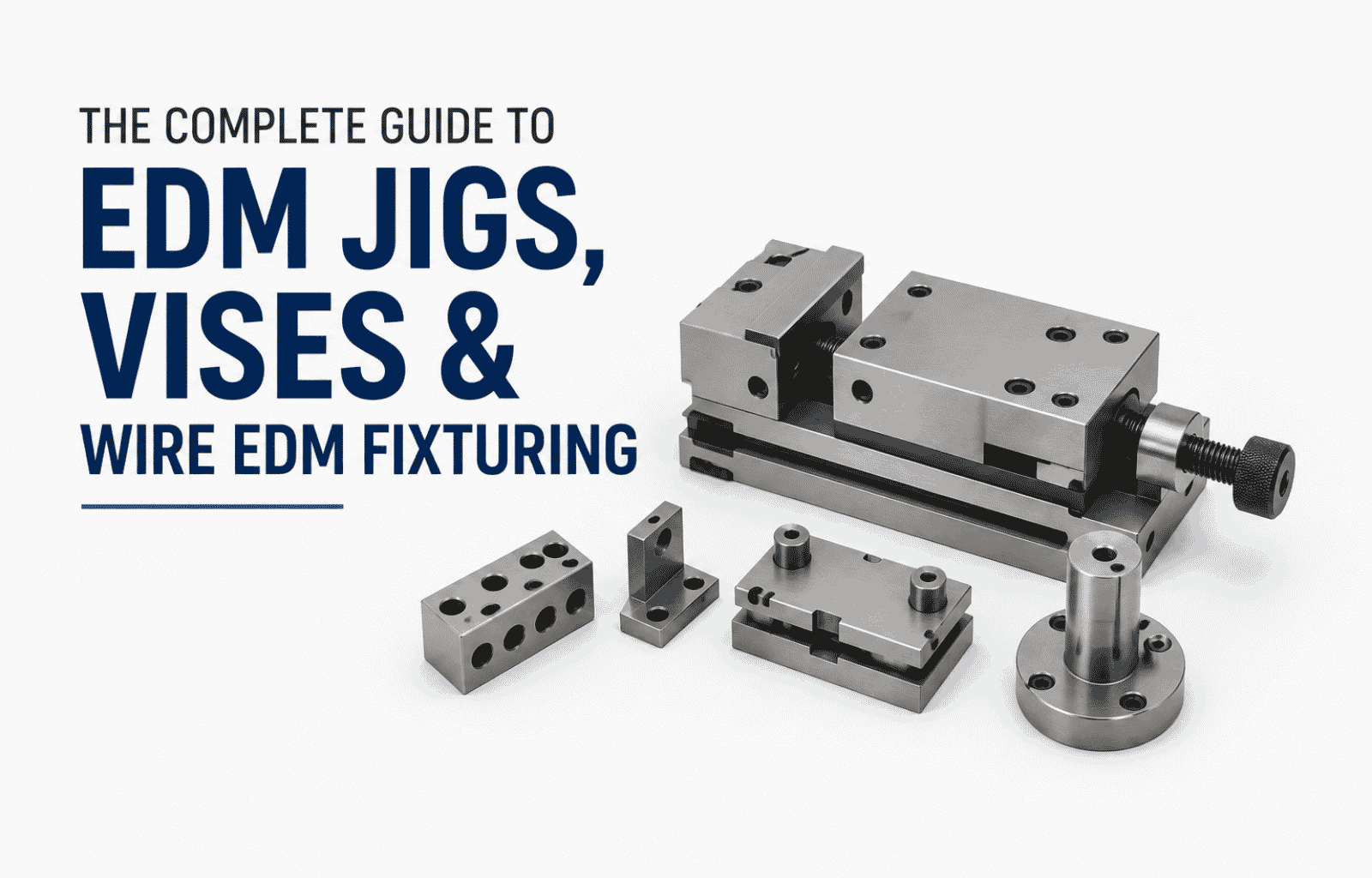
Modern production facilities operate under demanding quality and throughput targets. Across major industrial corridors in Delhi NCR, Haryana, Uttar Pradesh, and North India, manufacturing facilities produce high-precision tools, dies, and mechanical assemblies daily. A single sub-standard tool or defective component can cause catastrophic press line stoppage, damage high-value CNC machinery, and lead to expensive production downtime.
To maintain consistent operational excellence, toolroom managers, procurement leads, and fabrication engineers require reliable, certified tooling. Sourcing high-grade equipment ensures dimensional accuracy, superior surface finish, and extended service life.
In this technical engineering guide, we examine the critical design considerations, material grades, operational best practices, and maintenance protocols for Why Fabrication Units and Heavy Contractors in North India Source Angle Grinders in Bulk. At DK Tooling, we deliver certified B2B industrial tooling and workshop supplies across India. Let us explore the core technical details.
Featured Products

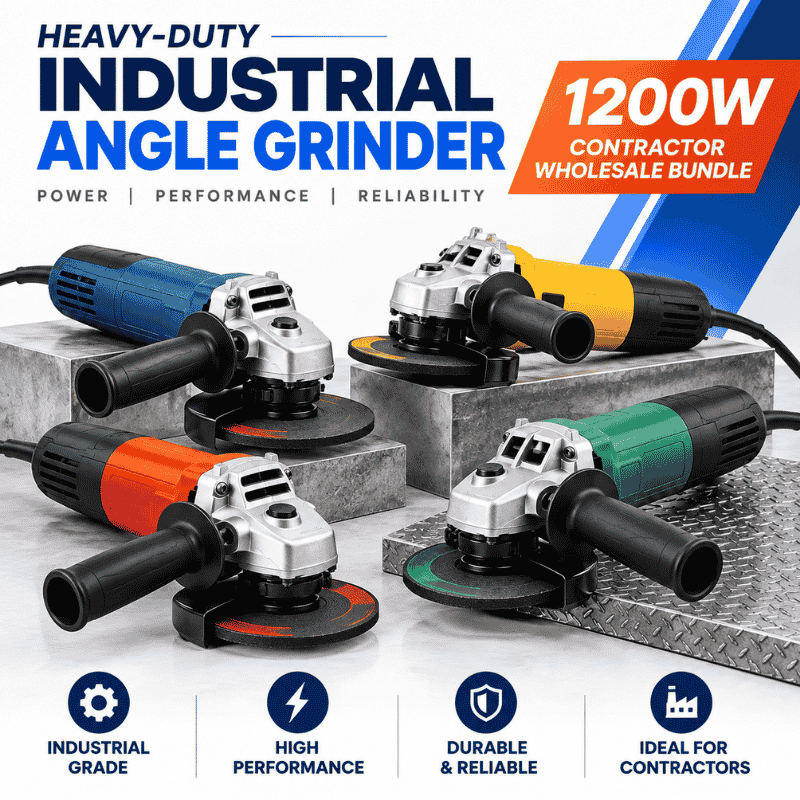
Engineering Overview & Working Principles of Why Fabrication Units and Heavy Contractors in North India Source Angle Grinders in Bulk
Precision tools and industrial components must endure heavy mechanical friction, cyclic impact loading, and severe thermal stresses. When specifying Why Fabrication Units and Heavy Contractors in North India Source Angle Grinders in Bulk, engineering teams must evaluate structural hardness, wear resistance, dimensional repeatability, and standard compliance.
High-grade industrial components are fabricated from vacuum-degassed tool steels, micro-grain solid carbide, or electro-polished stainless alloys. Investing in certified manufacturing hardware prevents galling, reduces tool chatter, and ensures millions of reliable production cycles.
Key Advantages for Toolrooms and Press Shops
- Extended Tool Life: High surface hardness (HRC 58–64) minimizes abrasive wear and reduces replacement frequency.
- Micron-Level Tolerances: Precision-ground functional surfaces maintain tight tolerances within ±0.005mm for consistent part repeatability.
- Maximized Factory Uptime: Engineered durability prevents sudden mechanical binding and unexpected line stoppages.
- Optimized Cost-per-Part: Superior endurance delivers low total cost of ownership over continuous high-volume production runs.
Technical Specifications & Material Grade Selection
Selecting the right metallurgy is paramount for peak operational performance. Below is a standard technical matrix for industrial component selection:
| Material Grade | Hardness (HRC) | Key Characteristics | Recommended Application |
|---|---|---|---|
| SKD61 / H13 Hot Work Tool Steel | 48 – 52 HRC | High thermal fatigue resistance, high toughness. | Plastic injection molds, die-casting dies, and core ejector pins. |
| Micro-Grain Solid Carbide | 88 – 92 HRA | Extreme wear resistance and high rigidity at high cutting speeds. | CNC milling, end mills, and precision turning inserts. |
| Grade 304 / 316 Stainless Steel | 25 – 32 HRC | Corrosion resistance and non-magnetic chemical stability. | Cleanroom assemblies, laboratory fixtures, and precision fasteners. |
| High-Speed Steel (HSS-Co5) | 64 – 66 HRC | High red hardness and shock resistance during heavy cutting. | Drill bits, reamers, broaches, and metal fabrication tools. |
Standard Operating & Maintenance Protocols
To maximize tool life and prevent premature failure, implement these standardized workshop protocols:
- Regular Inspection & Cleaning: Clean functional surfaces with dedicated degreasers at every shift handover. Remove metal chips, cutting slurry, and built-up residue.
- Controlled Lubrication: Apply high-pressure industrial lubricants or anti-seize compounds formulated for metal forming and stamping operations.
- Calibrated Torque Tightening: Always use calibrated torque wrenches when securing clamping hardware and mounting bolts.
- Preventative Tool Alignment: Check machine spindle concentricity and alignment pins periodically to eliminate uneven lateral wear.
For additional workshop equipment and high-performance accessories, explore our full catalog of certified industrial tools and tooling supplies.
Frequently Asked Questions (FAQ)
What industries commonly use Why Fabrication Units and Heavy Contractors in North India Source Angle Grinders in Bulk?
They are widely used in automotive component stamping, plastic injection molding plants, CNC precision machine shops, aerospace fabrication, and general factory maintenance.
How can we request bulk B2B wholesale pricing?
You can request a direct wholesale quote by visiting DK Tooling or contacting our dedicated B2B sales desk with your bill of materials (BOM).
What regions are covered for rapid delivery?
We provide priority same-day/next-day dispatch across Delhi NCR (Noida, Greater Noida, Ghaziabad, Gurugram, Faridabad) and expedited shipping nationwide across India.
Conclusion
Investing in certified, high-grade tooling directly impacts production reliability and part quality. By pairing quality engineering components with disciplined workshop maintenance, your manufacturing operations can achieve higher uptime, lower scrap rates, and improved profitability.
Audit your workshop tooling requirements today and partner with DK Tooling for all your industrial power tools, cutting tools, and manufacturing hardware needs.